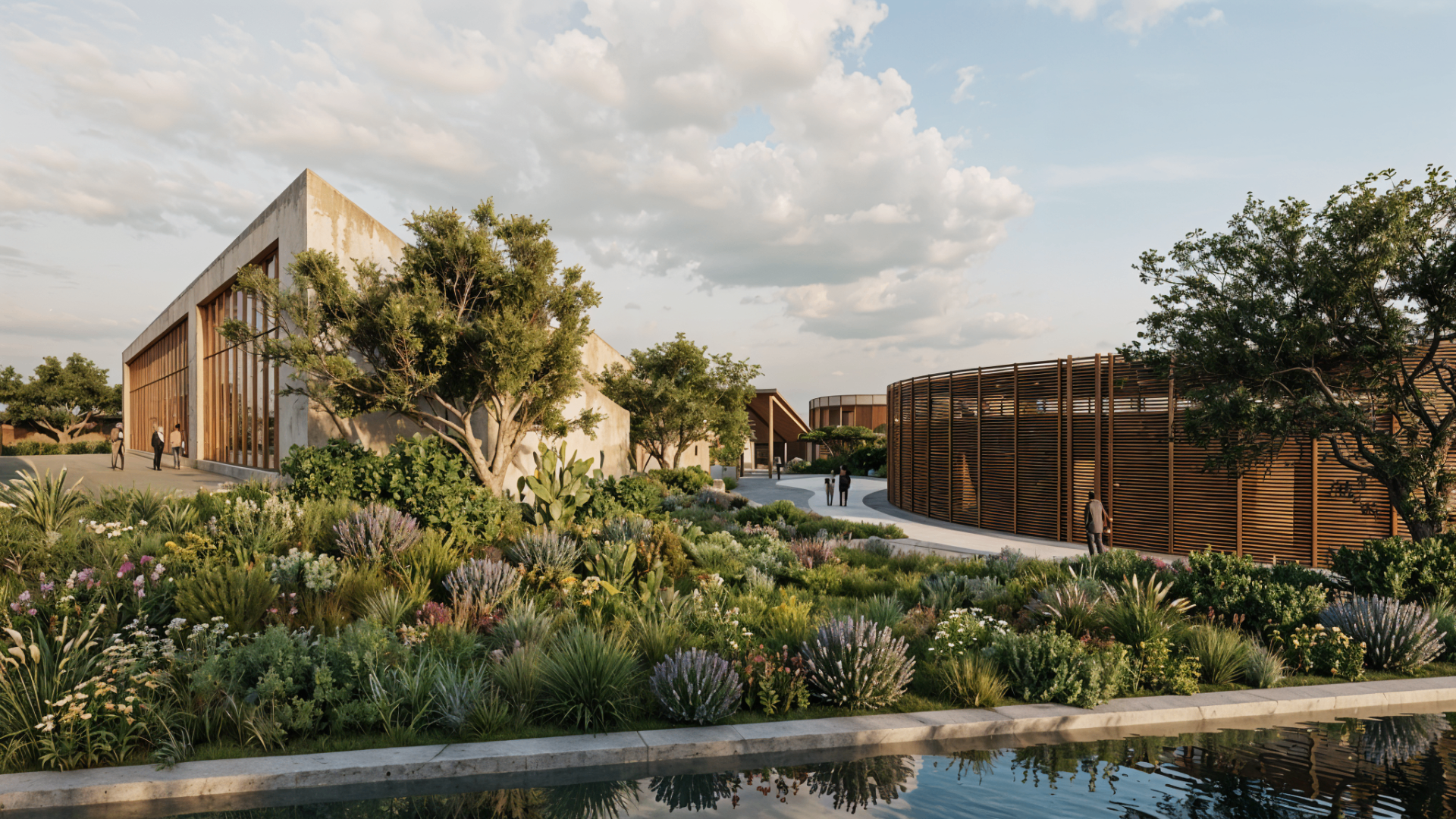
Architectural rendering of the Datahabitat project — Mediterranean rural landscape at golden hour
Datahabitat

Powered by Future Farming — Taranto

A digital infrastructure that regenerates the land

Datahabitat is a Tier 3 edge data center designed as a habitat. Waste heat that becomes food, water that stays on the land, data in service of Southern Italy's businesses.

Opening: 2027 · Partner selection in progress

The problem

Water and data centers,
on a collision course.

−18.4%

Water availability in Italy in 2023, compared with the long-term average

ISPRA · National Water Balance

25.5M

liters / year / MW

Water consumed by a conventional data center for every MW installed

World Economic Forum

80%

Share of cooling-tower water lost to evaporation into the atmosphere

Veolia Water Technologies

The solution

Datahabitat's response.

The same problem, flipped. Water and heat aren't consumed: they circulate.

−90%

Water for cooling

Compared with a conventional data center of equivalent power

Closed-loop cooling with minimal make-up water. Design WUE below 0.15 L/kWh, against an industry average of 1.8 L/kWh for data centers using evaporative towers.

Datahabitat design estimate · under validation · The Green Grid methodology

−90%

Water for agriculture

Compared with traditional open-field farming, at equal yield

Closed-loop hydroponics with integrated aquaponics. One kilo of lettuce uses less than 20 liters of water, against 250 in traditional cultivation.

FAO literature · Barbosa et al., 2015

70%

Heat recovered

Data center heat reused by the greenhouses instead of vented to the atmosphere

Design Energy Reuse Factor of 0.7. Residual heat is captured at low temperature and fed directly into the thermal loops of the hydroponic and aquaponic greenhouses, with no intermediate heat pumps.

Datahabitat design estimate · The Green Grid methodology

Project values will be confirmed once the executive engineering phase, led by Projetto, is complete.

The ecosystem

Four ways to step into Datahabitat.

We're looking for companies, start-ups, research centers and universities ready to build with us a model of active regeneration. Each partnership track has its own way in.

Tier 3 Edge Data Center

Reliable, sustainable compute power, close to the data and to the land. Closed-loop cooling with recovered heat. Low-latency connectivity for Southern Italian businesses that want data sovereignty without depending on distant hyperscalers.

For: businesses, telcos, cloud operators, public administration
Coworking & R&D Hubs

Shared workspaces with direct access to the data center's compute power. Built for tech start-ups and R&D teams that want to experiment with serious computational resources, in an environment designed for deep focus.

For: tech start-ups, scale-ups, R&D departments of established companies

Agritech Labs

Hydroponic and aquaponic pilot greenhouses, with IoT systems for environmental and water monitoring. A real-world test bed for crops, sensors and green-chemistry solutions, before scaling to industry. Open to collaborations with academia.

For: universities, research centers, agrotech companies, agritech start-ups

Experimentation & Pilots

We open up the integrated ecosystem — data, energy, heat, water, biomass — for industrial pilot projects. Enabling chemistry, textile wastewater reuse, environmental monitoring, twin transition. A unique infrastructure to validate replicable models.

For: chemical, textile and energy industries, environmental monitoring

The project

From quarry to habitat.

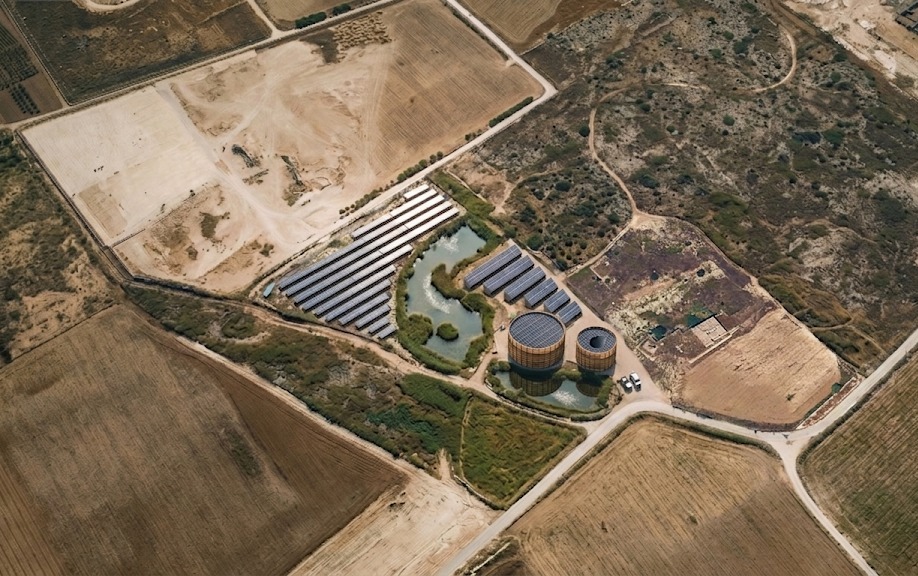
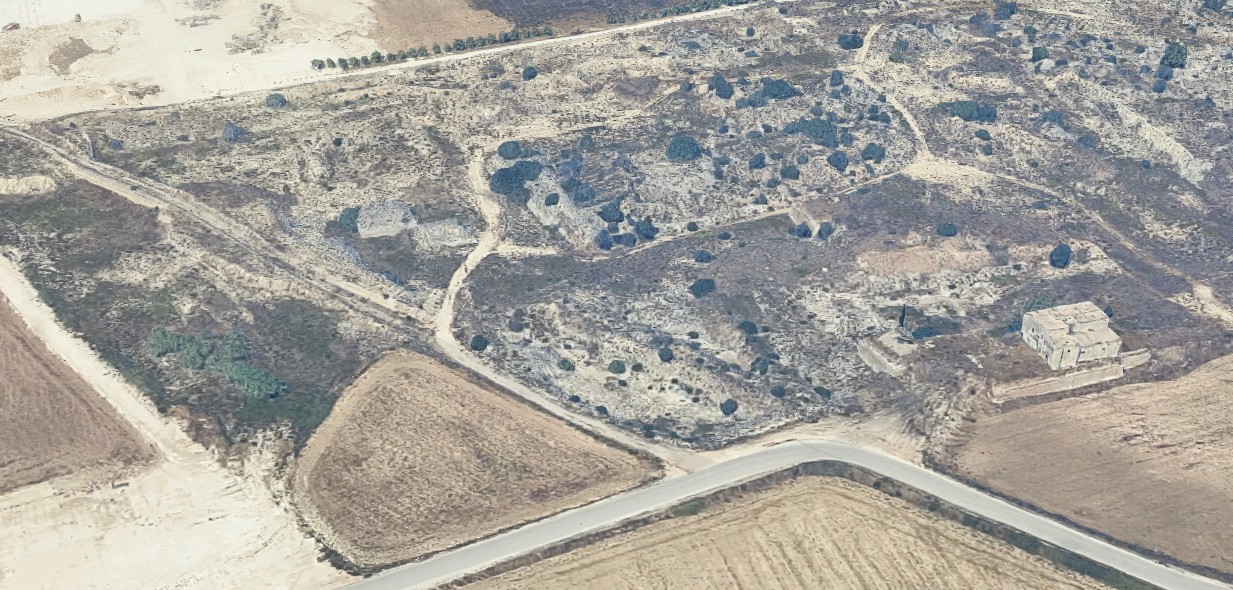
Aerial view of the currently disused quarry in the province of Taranto
Current state of the site
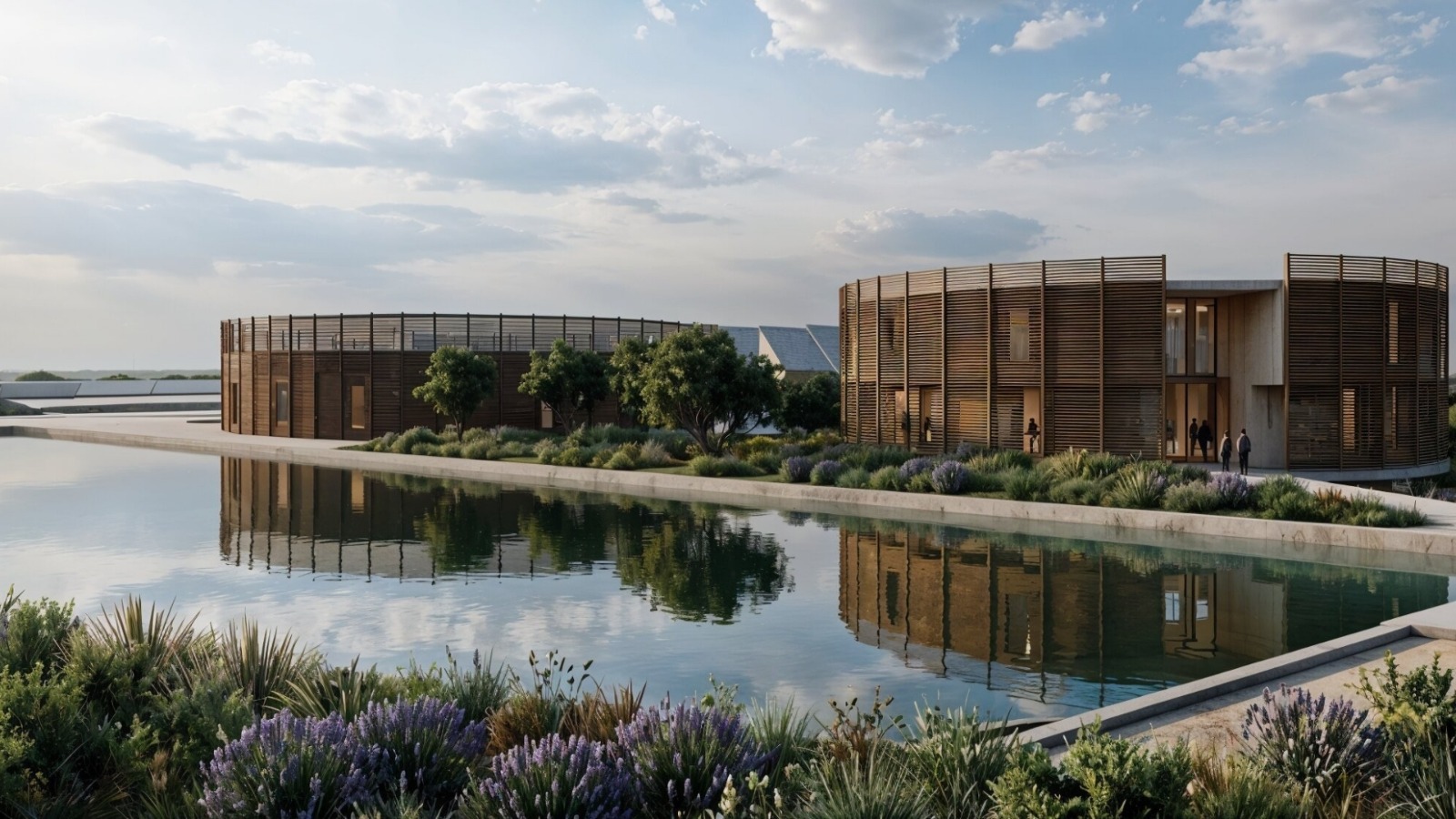
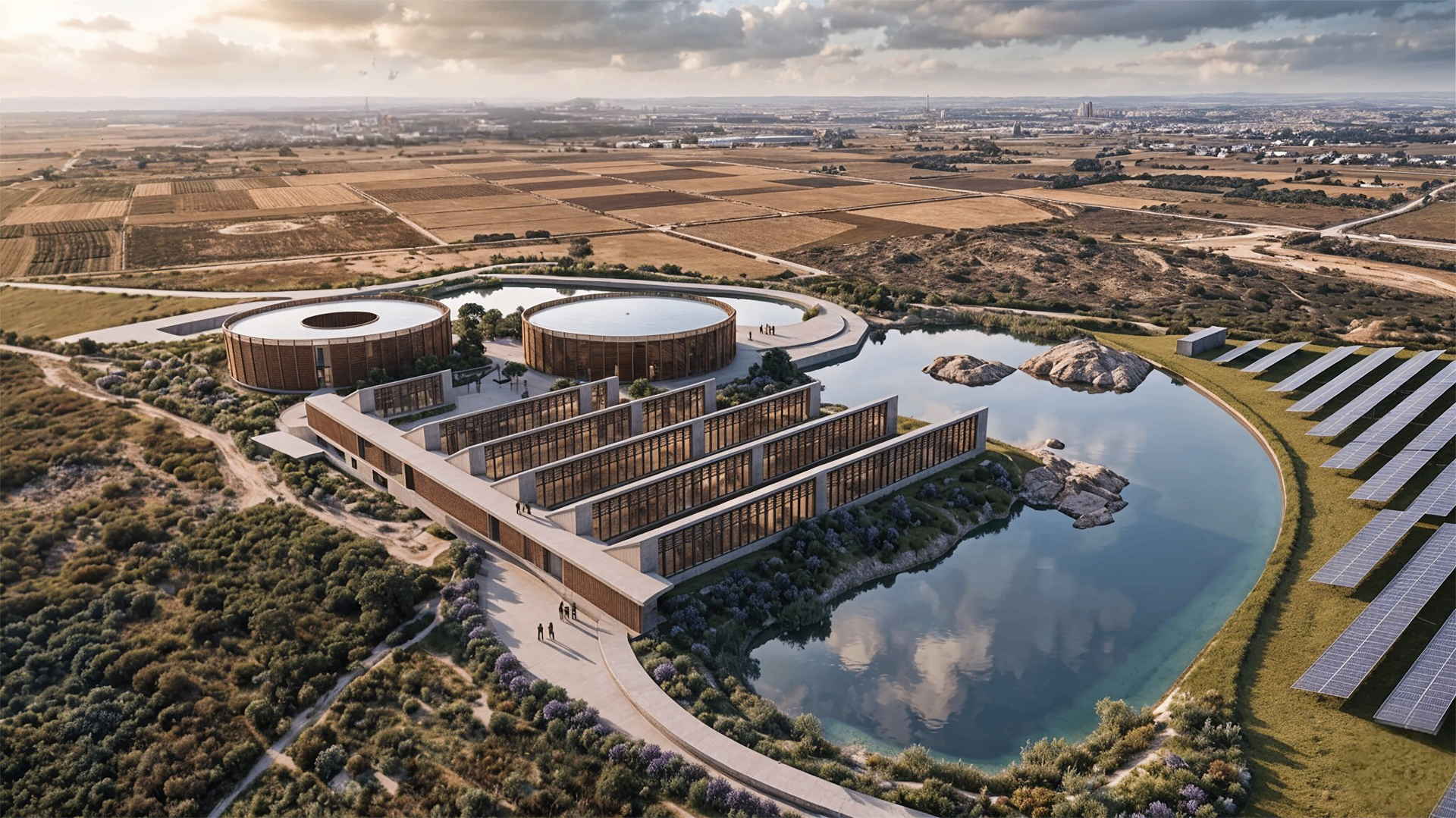
Preliminary rendering of the Datahabitat project — Mediterranean architecture integrated into the landscape
Preliminary project rendering

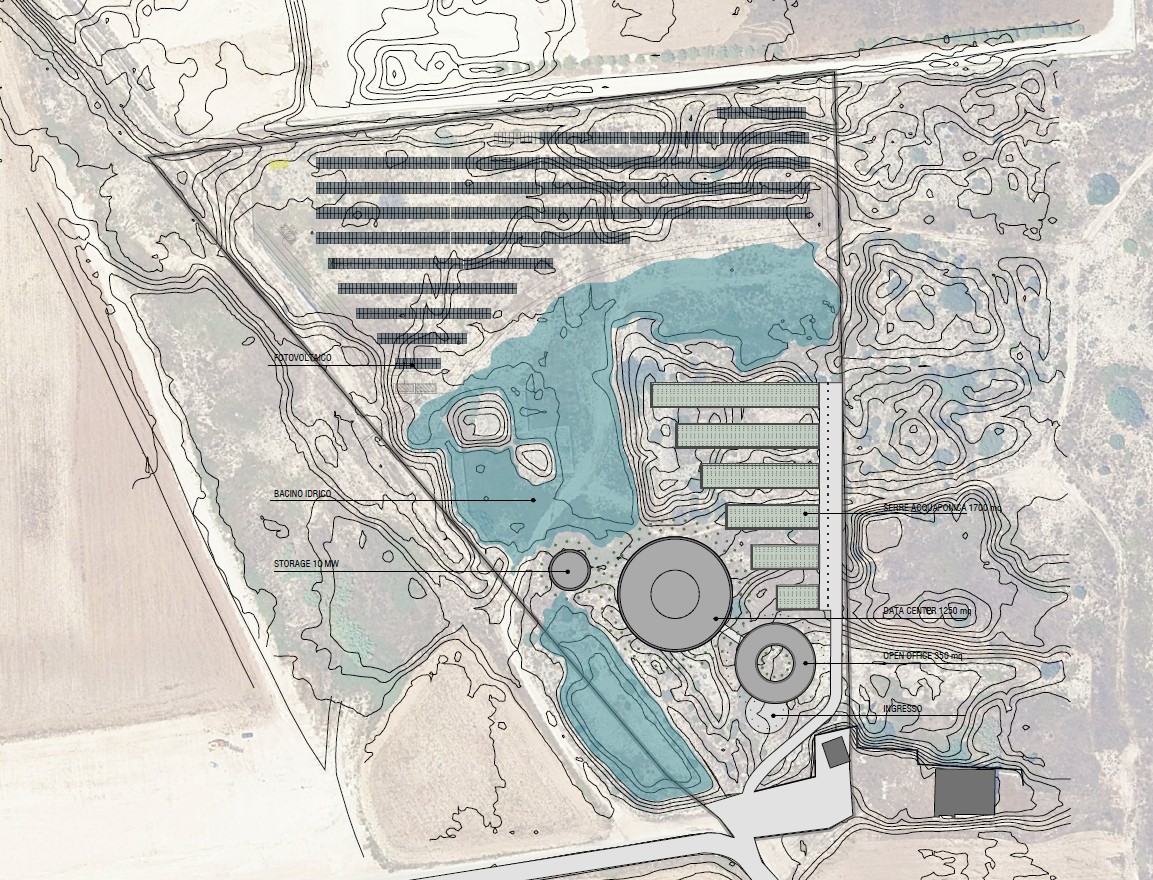
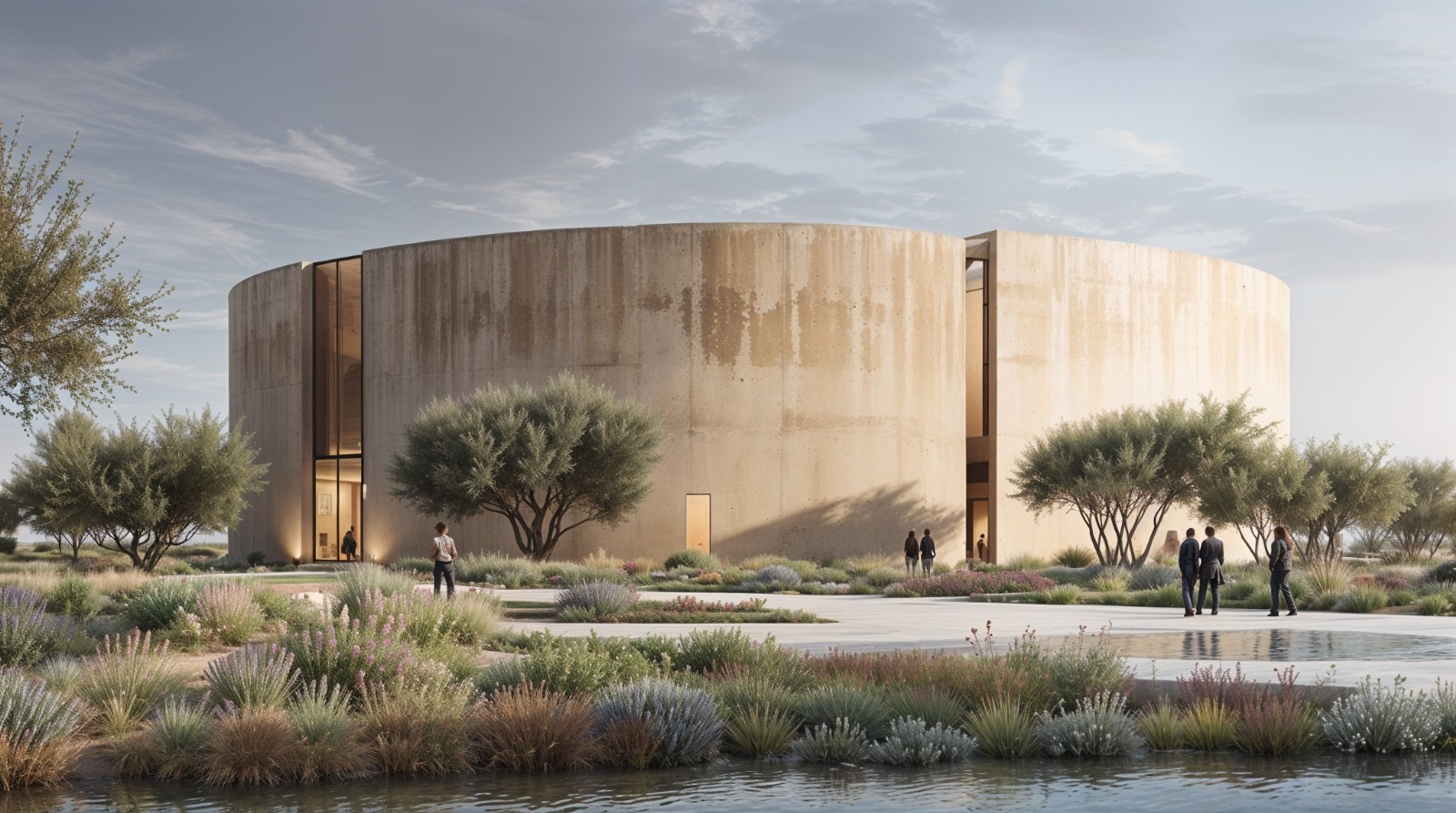
Datahabitat rises on a former disused quarry in the province of Taranto, already owned by us, for which the single ZES application is currently being filed. We don't consume new agricultural land: we regenerate land that has already been compromised. The buildings are designed around passive principles, with natural materials — timber and clay. The data hall is wrapped in a 40 cm thick rammed- earth (pisé) perimeter wall that passively regulates temperature and humidity.

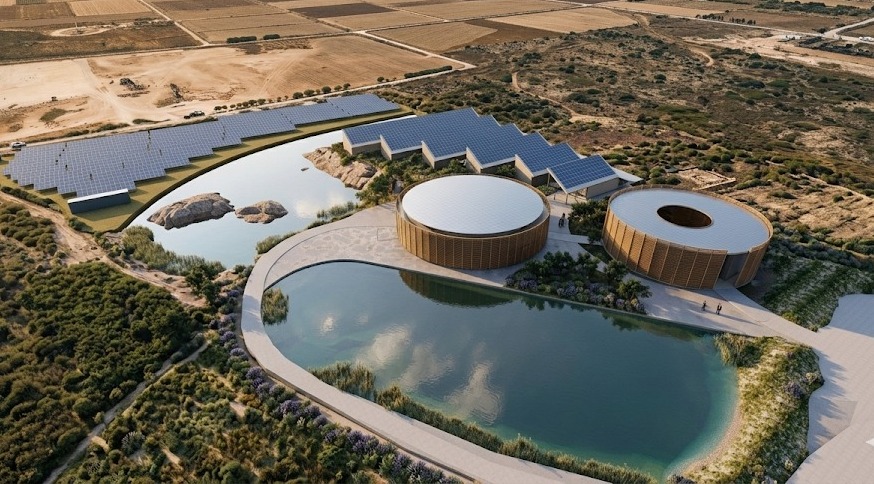
The site's landscape water reserves are not a decorative element. They serve four functions: storage of cooling water for the data center, fire-safety reserve to Tier 3 standards, water buffer for the greenhouses during periods of lower rainfall, and local microclimate regulator. They are fed primarily by rainwater harvesting.

Rendering of the Datahabitat buildings reflected in the landscape water reserveAerial view of an existing reference site with photovoltaic panels and water reserveAerial rendering of the Datahabitat masterplan with greenhouses, circular buildings and landscape water reserveMediterranean garden with native vegetation surrounding the Datahabitat buildingsAerial rendering of the circular buildings, greenhouses and landscape water reserves

Passive designNatural materialsZES status

Become a partner

Want to build with us?

Fill in the form and we'll get in touch to take it further. We're selecting the first partners of the Datahabitat network.

Or reach out directly:

partnership@datahabitat.it